
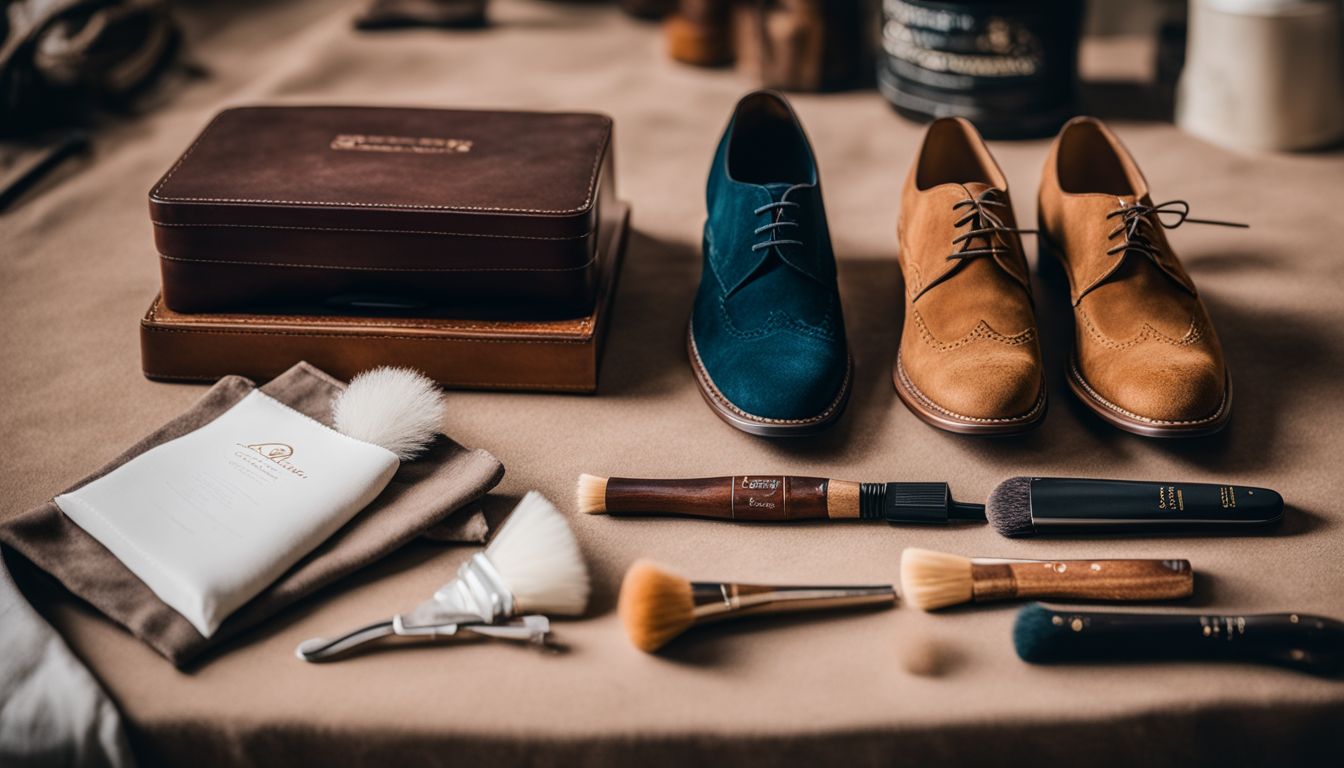
Wearing suede boots creates a stylish look and feel of comfort, but they are challenging to clean. These boots are susceptible to moisture,with regular use the dirt and stains start accumulating in the inner of the boots by passing through the above layer. We know it is not easy to keep them clean all the time, but it is not impossible. In this article we will discuss the material required for the cleaning and step by step guide about “How to clean suede boots”.
What is suede?
Suede is a form of soft and thin leather. Suede is typically manufactured from the inner lamb skin but can also be produced from other animals’ skin such as goats, deer, and pigs. It is made by taking the animals’ skin through various processes to clean and prepare it for use in boots and in other items such as coats and jeans. It is a traditional leather but not too strong as full-grain.
How to make Suede?
For making suede, the inner skin of the animal is departed from the top skin which creates the soft and thinner leather. The process starts with the division of the hide into layers, with the top grain being utilized for smooth leather and the bottom split being utilized to produce suede.
To ensure long life, the hide is subjected to the tanning process and then the suede is buffed or sanded slowly to get its fuzzy characteristic, followed by brush bristles to make it feel more velvety. After the texture is achieved, the material is colored and can be treated with protective measures to enhance stain resistance. Suede is valued for its flexibility and lightness, and for how well it takes up dye, which gives it deep and intense colors
Suede types
Cowhide Suede: Cowhide suede is manufactured from the inside split of cowhide leather and provides a rugged yet smooth finish. Cowhide suede is tougher and more heavier than suede in other forms
Sheepskin Suede: Sheepskin suede is incredibly soft, lightweight, and supple. It possesses a fine, even nap and is frequently utilized for upmarket clothing, gloves, and shoes such as UGG boots.
Pigskin suede: Pigskin suede is a tough and resilient form of suede with a slightly coarser texture than sheepskin or cowhide suede.
Sueded Cotton: This is created by sanding or brushing the cotton fibers into a smooth, velvety texture.
Sueded Silk: It retains the inherent gloss and sophistication of silk with an added subtle matte effect.
Nubuck: This provides a finer, smoother texture with a velvety feel. Nubuck is stronger than suede and is frequently used for premium shoes, handbags, and furniture.
Ultrasuede: Ultrasuede is a man-made substitute for natural suede, constructed from ultra-fine polyester fibers.
How to clean Suede boots?
Before discussing the steps that “How to clean suede boots” it is necessary to know about the preparation that we have to do before cleaning.
Materials needed before cleaning
-
Suede brush
-
Suede eraser
-
Microfiber cloth
-
Diluted soap
-
Distilled white vinegar
-
Rubbing Alcohol
-
Suede protector spray
-
corn starch
-
Clean towel or cotton balls
Easy Steps for cleaning suede boots:
-
Remove the shoelaces
Start by removing the laces from your suede boots. This helps ensure that you can clean every part of the boot, including the tongue, without getting the laces wet or dirty. It also prevents the laces from becoming tangled during the cleaning process.
-
Put the crumpled paper inside the boot
Stuff the inside of your boots with crumpled paper or newspaper. This helps maintain their shape while cleaning and drying. The paper will also absorb any moisture, which speeds up the drying process and prevents your boots from losing their form.
-
Let them dry
If your boots are damp, let them dry naturally. Avoid placing them near direct heat sources like radiators or hairdryers, as intense heat can cause the suede to shrink or become stiff. Leave them to air dry at room temperature for several hours or overnight.
-
Knock of the dirt
Once the boots are dry, lightly knock them together to remove loose dirt and dust. You can also use a soft brush or a cloth to wipe off any remaining debris. Be gentle to avoid damaging the delicate fibers of the suede.
-
Remove scuff and stains
If there are scuff marks or stains on your boots, take the time to treat them carefully. For light scuffs, use a suede brush to gently lift the nap. For stains, proceed with specific cleaning methods depending on the type of stain. Always test any cleaning products on an inconspicuous part of the boot first.
-
Use the Suede eraser to rub the boot
A suede eraser is a great tool for removing stubborn dirt and stains. Gently rub the eraser over the affected area, applying light pressure. You’ll notice the eraser will lift the dirt without damaging the material. After use, brush the area with a suede brush to restore the texture.
-
Use water to remove water stains
If your boots develop water stains, don’t panic. First, lightly dampen a microfiber cloth with water and gently blot the stained area. Do not saturate the suede with water. Afterward, use a suede brush to lift the fibers and restore the boot’s nap. Let the boots dry naturally away from heat sources.
-
Try vinegar and rubbing alcohol
For tougher stains, distilled white vinegar or rubbing alcohol can be used. Dampen a cloth with a small amount of vinegar or rubbing alcohol and gently blot the stain. These solutions can help break down stains like salt marks or ink. Make sure to test the solution on a hidden area before applying it to the whole boot.
-
Shave with eraser
If your suede boots have developed any fuzzy spots or if the nap has become uneven, you can use a suede eraser to “shave” the surface. Gently rub the eraser over the areas that need smoothing. This will help restore the velvety texture of the suede.
-
Protect and preserve
To maintain the beauty of your suede boots, always apply a suede protector spray after cleaning. This spray will help repel water, dirt, and stains, ensuring your boots remain in great condition longer. Be sure to follow the instructions on the protector spray and allow it to dry before wearing your boots again.
Stain Removal Techniques
Suede is highly prone to stains, so it’s essential to act quickly when one appears. Below are some common stains and how to tackle them:
- Oil and Grease Stains: If you spill oil or grease on your suede boots, immediately sprinkle some cornstarch or baby powder on the stain. Let it sit for several hours, as it will absorb the oil. Afterward, brush off the powder gently using your suede brush.
- Water Stains: If your boots get wet, avoid using excessive heat to dry them, as it can damage the material. Instead, allow the boots to air dry at room temperature. To address water stains, use a clean microfiber cloth and blot the affected area. You can also try lightly spritzing the boot with water, then use a suede brush to restore the nap.
- Ink or Pen Marks: Ink stains on suede are tricky, but they can be removed with rubbing alcohol. Apply a small amount of rubbing alcohol to a clean cloth and gently blot the stain. Avoid scrubbing, as this may damage the texture.
- Mud and Dirt Stains: Let any mud or dirt dry before trying to remove it. Once dry, use a suede brush to gently scrub the area. Be patient and use light strokes to avoid ruining the suede. If dirt persists, use a suede eraser or rub the area gently with a piece of clean cloth.
Additional Tips for Cleaning Suede Boots
- Always Test First: Before applying any cleaning solution, test it on an inconspicuous area of the boot to ensure it won’t damage the material.
- Use Gentle Motions: When cleaning, always brush or rub gently to preserve the texture of the suede.
- Avoid Over-wetting: Excessive water can damage suede, so make sure to use only a minimal amount when cleaning.
- Keep Suede Dry: After cleaning, keep your suede boots away from moisture, and store them in a cool, dry place.
- Be Mindful of the Environment: Suede is sensitive to extreme temperatures. Avoid leaving your boots in direct sunlight or in very humid conditions for long periods.
Preventions during cleaning
- Avoid Scrubbing: Always use a gentle brush or cloth to avoid damaging the fibers of the suede.
- Don’t Use Soap Directly: When using soap or detergent, dilute it properly to avoid causing damage to the texture of the suede.
- Be Cautious with Steam: Some recommend using steam to restore the nap, but be careful. Direct steam can cause the material to become too damp, leading to mold or mildew growth.
Maintenance Tips:
- Regular Brushing: To keep your boots looking their best, brush them regularly with a soft-bristled suede brush. This helps maintain the texture and remove any dirt or debris.
- Use a Suede Protector: Apply a suede protector spray after cleaning to prevent future stains and water damage. Be sure to follow the instructions on the product for optimal results.
- Store Properly: When you’re not wearing your suede boots, store them in a cool, dry place. Consider using a boot tree or stuffing them with newspaper to maintain their shape.
- Rotate Boots: If possible, rotate between different pairs of boots to prevent over-wearing one pair. This will help your boots last longer.
- Repairs: If your boots develop significant damage like holes or tears, it’s best to seek professional repair services, as attempting to fix them yourself could worsen the damage.
Conclusion
Cleaning and maintaining suede boots might seem like a daunting task, but with the right techniques and regular care, your boots can stay looking stylish and in good condition for years. By following these steps and taking preventative measures, you’ll ensure that your suede boots continue to enhance your wardrobe without the added worry of permanent stains or damage. Whether it’s a special occasion or everyday wear, properly cared-for suede boots will always remain a timeless piece of footwear.
